Weatherproof Stadium Seating: Seasonal Maintenance Checklist for Outdoor Venues
Weatherproof Stadium Seating: Seasonal Maintenance Checklist for Outdoor Venues
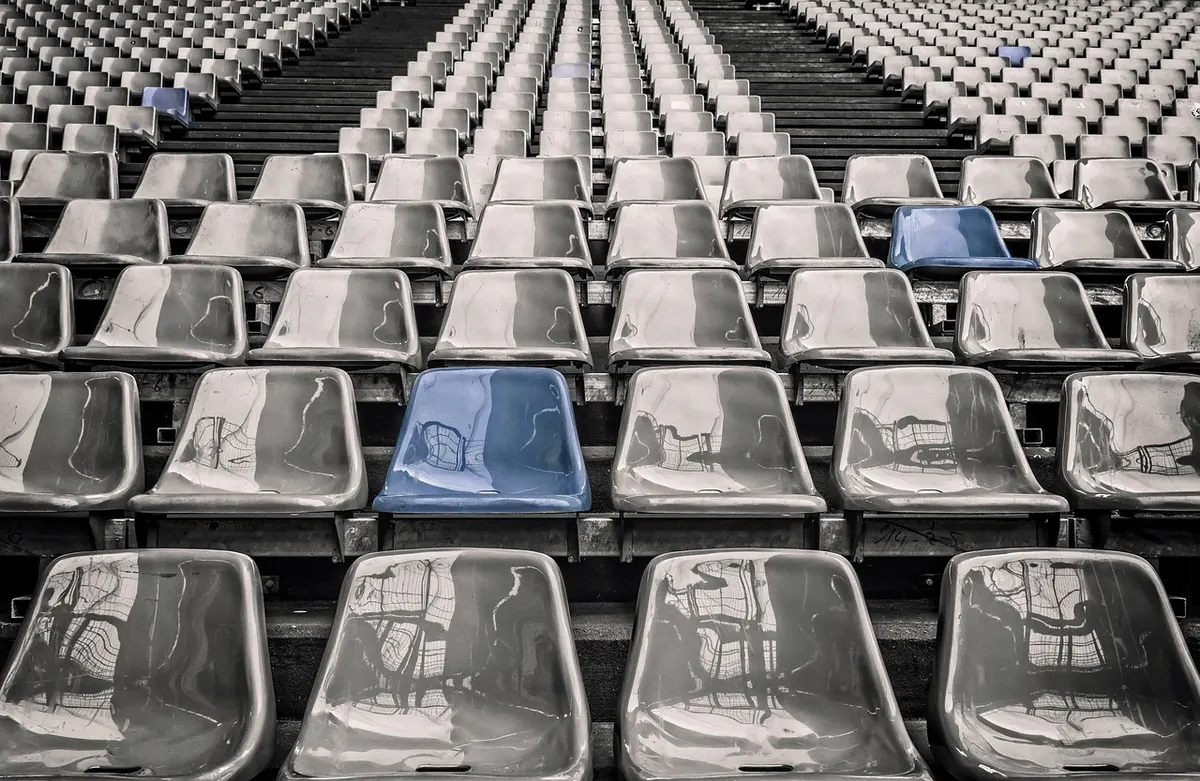
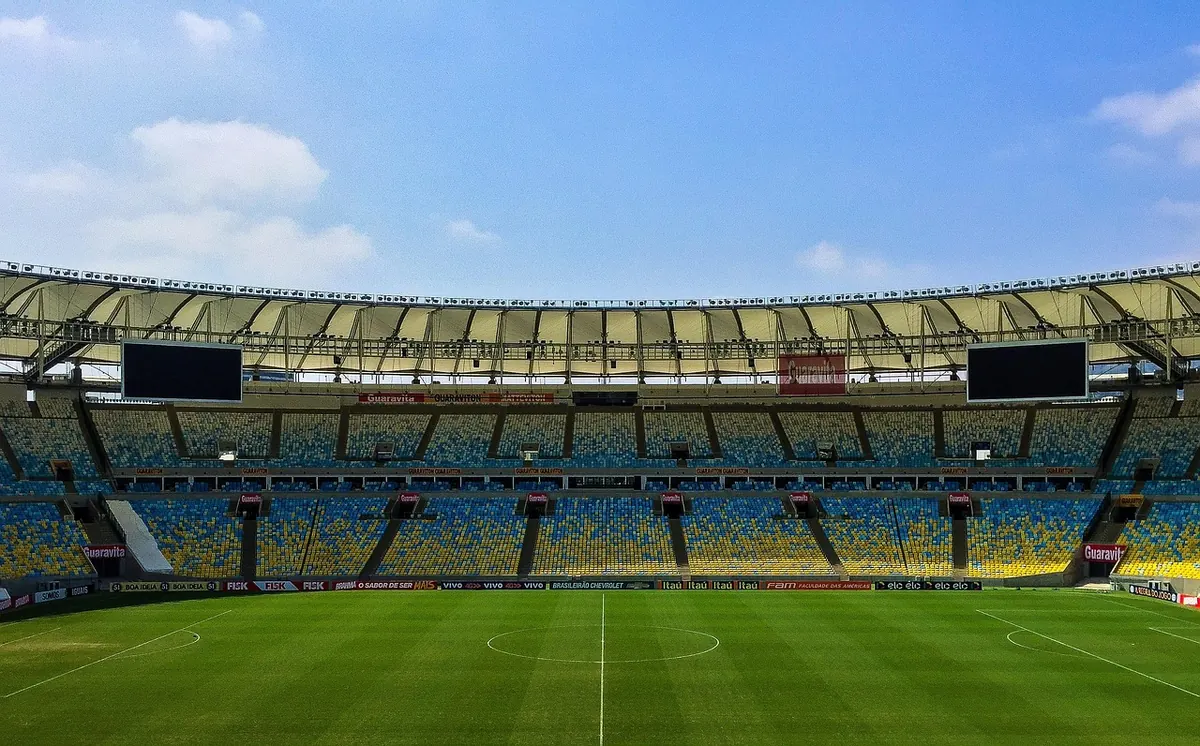
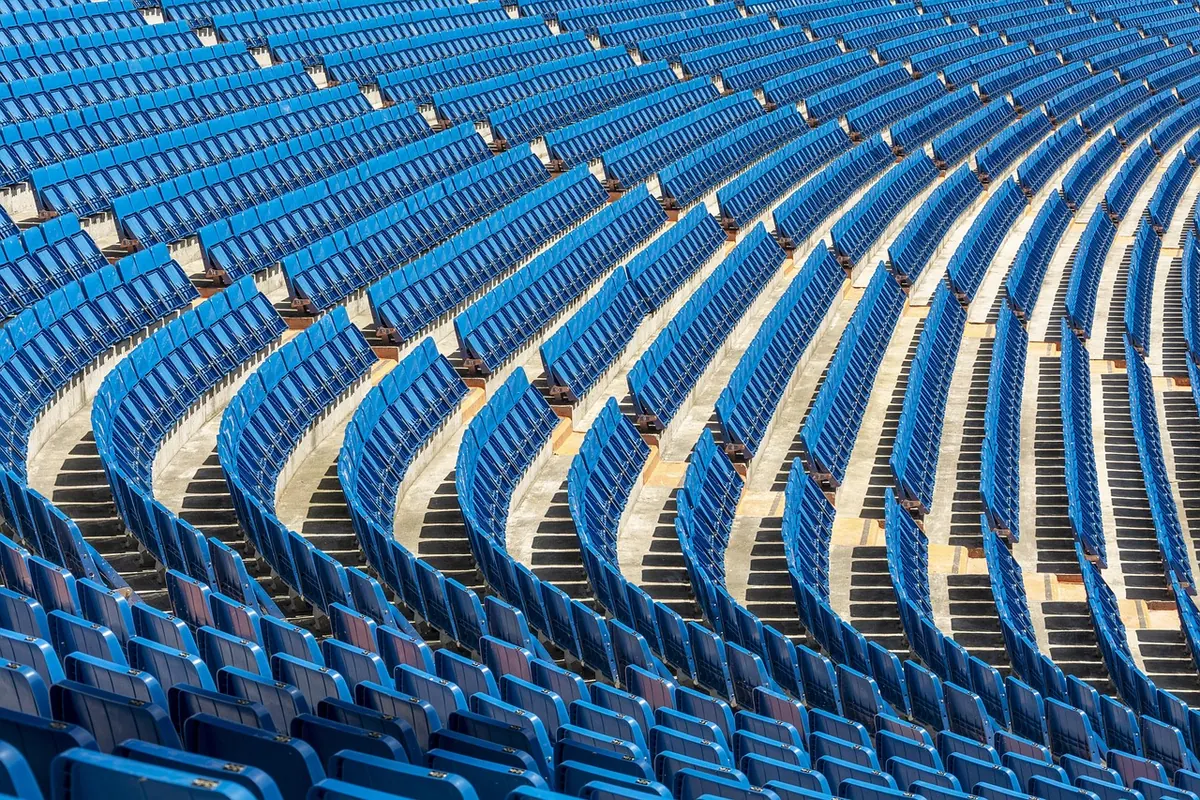
Outdoor stadium seats take a beating that is easy to miss from the stands. A row of blue polypropylene chairs can look uniform on a sunny match day while, underneath, bolts have loosened, drainage slots are clogged with leaf litter, and a hairline crack is waiting for the first cold snap. Weatherproofing is not a single product you apply once. It is a routine: inspect, clean, tighten, repair, and repeat as the seasons change. This checklist is built for grounds teams, facility managers, and anyone responsible for keeping outdoor seating safe, comfortable, and serviceable through rain, heat, and winter.
The economics are worth stating plainly. A seized bolt costs pennies to free and a few minutes to replace. The same bolt, left until the bracket tears out of a concrete riser, becomes a drilling job, a patching job, and a row of seats taken out of service for a fortnight. Multiply that across a 20,000-seat bowl and the difference between a maintained stand and a neglected one is not cosmetic—it is a line item that can swallow an entire off-season budget. Good maintenance is also a safety matter: loose shells, missing washers, and sharp, sun-brittled edges are exactly the kind of defect that turns a routine match day into an incident report.
Start With a Baseline Inspection
You cannot manage what you have not mapped. Before the first spring wash or autumn leaf sweep, divide the seating bowl into manageable blocks—by section, row range, or stand. Walk each block with a clipboard or tablet and record what you see. Note the seat material, mounting type, and any known repairs. Look beyond the seat shell: brackets, bolts, washers, hinge pins, armrests, and the concrete or steel beneath them all affect how a seat survives weather.
Inspect in different conditions when you can. A hairline crack in a plastic shell may close on a cool morning and open wide by mid-afternoon. A puddle that disappears by noon can still be corroding a mounting plate underneath. Photograph recurring problems and mark their location by row and seat number so repairs do not get lost between seasons.
What to record on every walk
- Seat shells: cracks, chips, warping, fading, and brittle edges.
- Fasteners: loose bolts, missing washers, corroded brackets, and hinge wear.
- Metal frames: rust streaks, paint failure, bending, and movement at joints.
- Mounting surfaces: pooling water, cracked concrete, and corrosion stains.
- Drainage: blocked holes, clogged channels, and debris trapped under seats.
- Add-ons: armrests, aisle rails, cup holders, and removable cushions.
Agree on a simple condition scale before the first walk, so that different inspectors describe the same defect the same way. A four-point scale works well for most venues:
- Good: sound shell, firm fixings, no visible corrosion. Clean and leave.
- Fair: cosmetic wear, slight fading, or a stiff hinge. Note it and schedule work for the next maintenance window.
- Poor: a crack, a loose bracket, or rust that has reached the metal. Repair before the next event.
- Out of service: structural movement, a broken shell, or a fixing that no longer holds. Barricade, tag, and fix immediately.
Tagging matters as much as grading. A coloured zip tie on the seat frame, matched to an entry in the log, lets a steward spot a condemned seat at a glance and lets a contractor find it without a map. Keep the tags consistent across seasons so old records still make sense to a new member of staff.
A seat that fails inspection on a Tuesday in April is an inconvenience. The same seat that fails on a Saturday in front of 20,000 people is a headline.
Spring: Clean, Inspect, and Repair
Spring is the season for undoing winter. Start with a dry sweep to lift grit, leaf mould, and grit from the seat surfaces, then wash with a mild detergent and a soft brush—never a pressure washer turned up close to plastic, which can drive water into cracks and strip protective coatings. Pay particular attention to the underside of the shell and the gap between the seat and the riser, where debris collects out of sight.
Once clean, work through the fixings. Torque bolts to the manufacturer's specification rather than by feel; over-tightened bolts crush washers and crack plastic bosses, while under-tightened ones work loose again within weeks. Replace every missing washer, not just the obvious ones. Treat surface rust on frames with a rust converter and a touch-up coat, and record any bracket that has moved, because movement usually points to a problem in the concrete below rather than in the fixing itself. This is also the window for replacing cracked shells, repainting aisle markings, and testing any seat that has been tagged out of service over the winter.
Summer: Heat, UV, and Peak Use
Summer is hard on materials. Ultraviolet light fades colour, dries out plasticisers, and leaves polypropylene and similar polymers brittle at the edges. High temperatures make shells soften and expand, which can loosen fixings and cause squeaks and rattles that did not exist in April. In peak season, the priority shifts from repair to monitoring: a short weekly walk of the busiest sections, a bucket of spare fasteners, and a supply of touch-up paint will catch most problems before they reach the public.
Watch for the small things that grow into big ones during a heatwave—screws backing out of armrests, cup holders separating from their mounts, adhesive labels lifting, and rubber gaskets shrinking away from their seats. If your venue hosts concerts as well as sport, add a post-event check of every section that was standing-room, since crowd loading stresses fixings in ways that seated use does not.
Autumn: Leaf Litter, Drainage, and Preparation
Autumn is the season most often underestimated. Fallen leaves are not merely untidy; they mat together, block drainage slots, and hold water against mounting plates for weeks. Clear gutters, channels, and the drainage holes moulded into seat shells on a fixed schedule—weekly during leaf fall in a venue surrounded by mature trees—and check the run-off path below the stand, not just the seat itself. Water that drains from the seat but pools on the riser has simply been moved, not solved.
- Clear leaves and seed heads from shells, frames, and step nosings.
- Flush drainage channels and confirm water runs away freely.
- Check that downpipes and gullies below the stand are clear.
- Record any seat that held water after rain, and investigate why.
- Replace damaged caps and plugs that keep water out of hollow sections.
Winter: Cold, Ice, and the Off-Season
Freeze–thaw cycles are the great destroyer of outdoor seating. Water seeps into a hairline crack, expands overnight, and widens the crack a fraction more each time. By March, a small defect has become a split shell. Before the first hard frost, re-inspect every crack you noted in autumn and seal or replace the worst. Keep de-icing salt away from metal fixings where you can—it accelerates corrosion dramatically—and where salt or grit must be used on walkways, rinse the surrounding seat frames afterwards rather than waiting for spring.
If sections of the stand are closed for the winter, this is the time for deeper work: removing cushions and fabric add-ons for indoor storage, lubricating hinges and moving parts, touching up paint, and stockpiling spares so that spring repairs are not delayed by a supplier's lead time. A venue that uses its winter well starts the new season already ahead.
Materials Matter: Match the Care to the Seat
Not every seat responds to the same treatment, and using the wrong cleaner can do more harm than leaving the dirt in place.
- Polypropylene and polyethylene shells: mild detergent and water, soft brush, no solvents, no concentrated pressure washing. Check for UV chalking and edge brittleness.
- Painted steel and aluminium frames: wash, dry thoroughly, touch up chips promptly. Any bare metal is a corrosion site from the day it is exposed.
- Timber battens and slats: inspect for rot at the ends and where fixings penetrate, and refresh protective oil or stain on a regular cycle.
- Fabric and padded seats: remove and store where possible, clean to the manufacturer's instruction, and never leave damp cushions fitted over winter.
- Concrete and steel risers: seal cracks before they admit water, and treat corrosion staining as a warning rather than a stain.
Keep a Log and a Calendar
A checklist only works if it produces a record. Keep a single log—digital where possible, with photographs—that links each entry to a seat location, a date, an inspector, and the action taken. Review it at the end of each season to find patterns: the same three rows that flood every year, the same stand where bolts keep backing out, the same batch of shells that is fading faster than the rest. Patterns turn reactive repairs into planned replacements, and planned replacements are almost always cheaper.
Build the calendar around the fixture list rather than the weather alone. A club that plays through winter needs its heavy maintenance in the short gaps between matches, not in a theoretical off-season that never quite arrives. Six short inspections spread across the year will beat one exhaustive audit every time, because most failures give warning—a stain, a squeak, a stiff hinge—long before they become a hazard.
Know When to Repair and When to Replace
Judgement matters as much as diligence. Replace a shell when a crack reaches a fixing point or an edge has become brittle enough to snap; repair is not a realistic option once the material has lost its flexibility. Replace fixings whenever the thread is damaged or the head is corroded, since a re-used bolt is a false economy. Where the same seat position fails repeatedly, look beneath it—water, movement, or a poorly set anchor is usually the real culprit, and a new shell will fail in exactly the same place.
None of this requires heroic effort. It requires consistency: walking the stands, writing things down, and acting on what you find before the weather does it for you. Do that, and the seats will still look uniform on a sunny match day—because they still are.

You Might Also Like
Stadium seating safety is decided in the geometry — continuous handrails, honest aisle widths and evacuation routes that work long before the seats are chosen.
Sensors and connected ticketing turn stadium seats into sources of useful information about usage, queues and crowd movement — if the basics are right.