A Beginner's Guide to Stadium Sightlines and Seat Elevation
Two seats can cost the same and sit a few metres apart, yet one feels like a private balcony while the other leaves you leaning left and right to see past the person in front. The difference is usually geometry. Once you understand how stadium seating is built, the seat map stops being a lottery and starts being a set of clues.
What Your Sightline Actually Is
A sightline is simply the straight line between your eye and the part of the pitch or court you want to watch. A clear sightline needs two things: enough vertical clearance to see over the people ahead, and a sensible horizontal angle to the action. Seat elevation affects the first. Position in the bowl affects the second.
This is why “close” and “good” are not synonyms. A front-row seat at pitch level can be unforgettable for atmosphere, but it may be hard to follow the shape of a football match or see a ball land beyond a wall of players. A higher seat in the same stand can feel farther away and still be far easier to read. The view is not only about distance; it is about what the geometry lets you see.
Row Height, Risers and the Head in Front
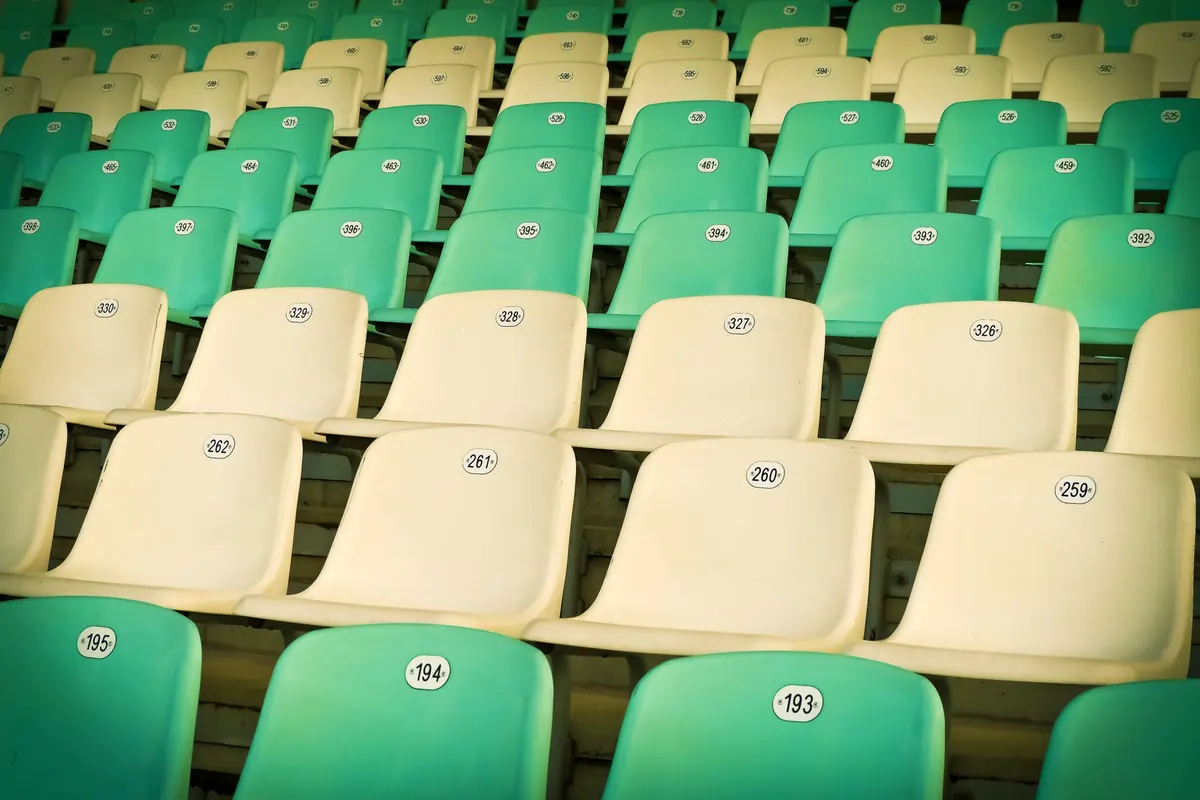
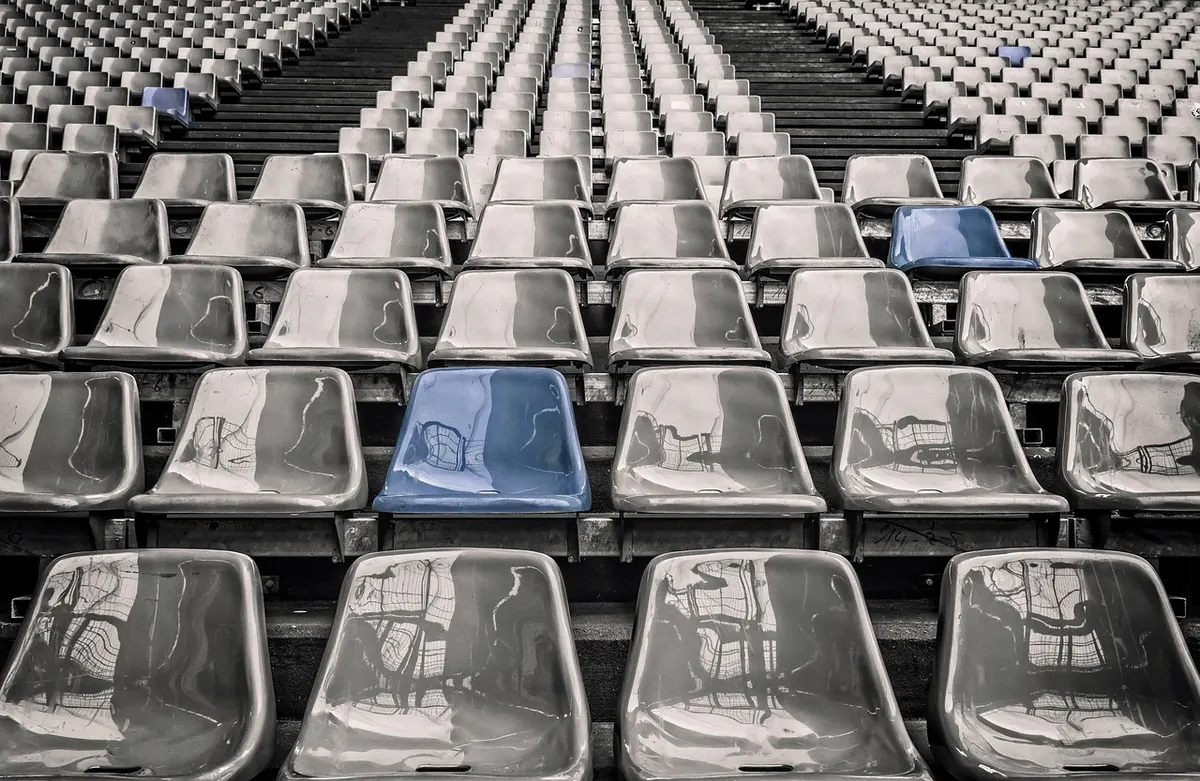
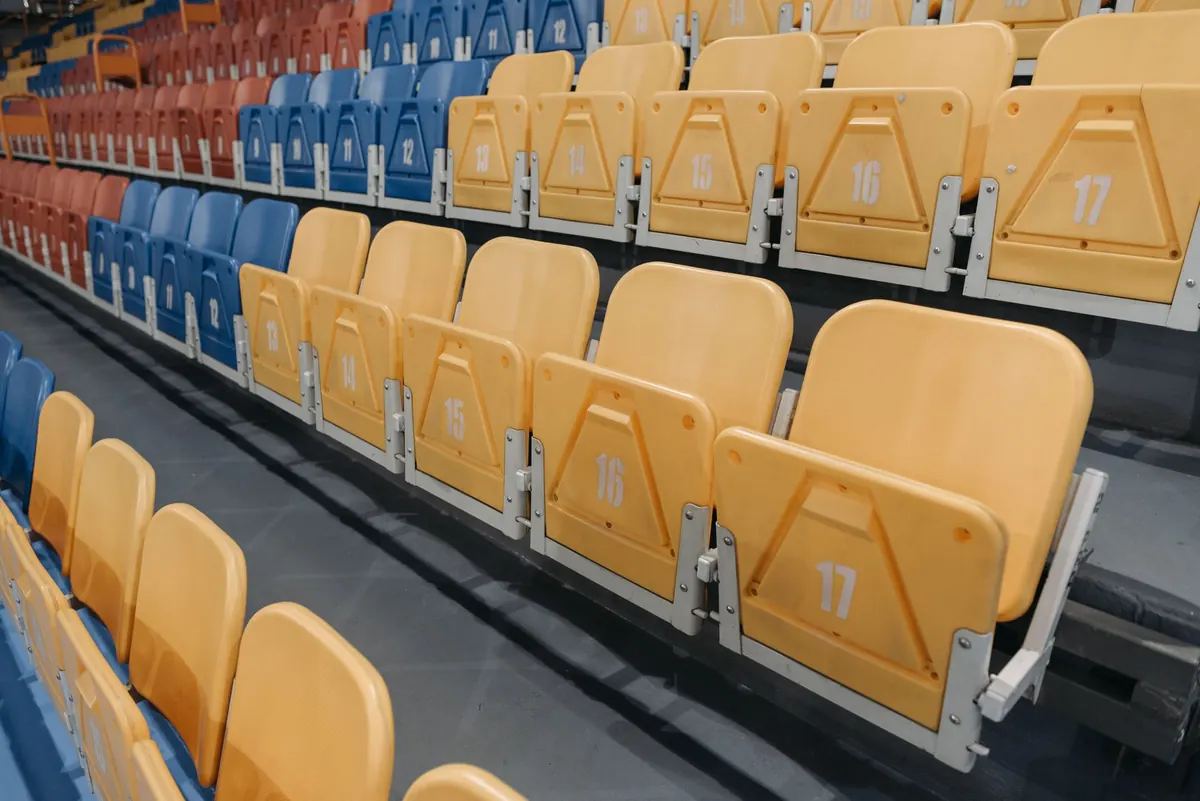
Stadium rows are not flat steps. Each row sits on a riser, the vertical rise from one row to the next, and a tread, the depth of the step itself. Increase the riser and each row clears the heads in front more comfortably. Reduce it, usually to fit more seats into a shallow stand, and the view becomes more sensitive to who is sitting ahead of you.
Designers think about this as the vertical gap between your eye and the top of the head in the row in front. In simple terms, the bigger that gap, the less likely you are to spend the match shifting your head around a tall spectator. Older stands and shallow lower bowls can have fairly modest gaps; steep modern tiers tend to be more generous. Your own height matters too, as does posture. A slumped spectator sees less than someone sitting upright.
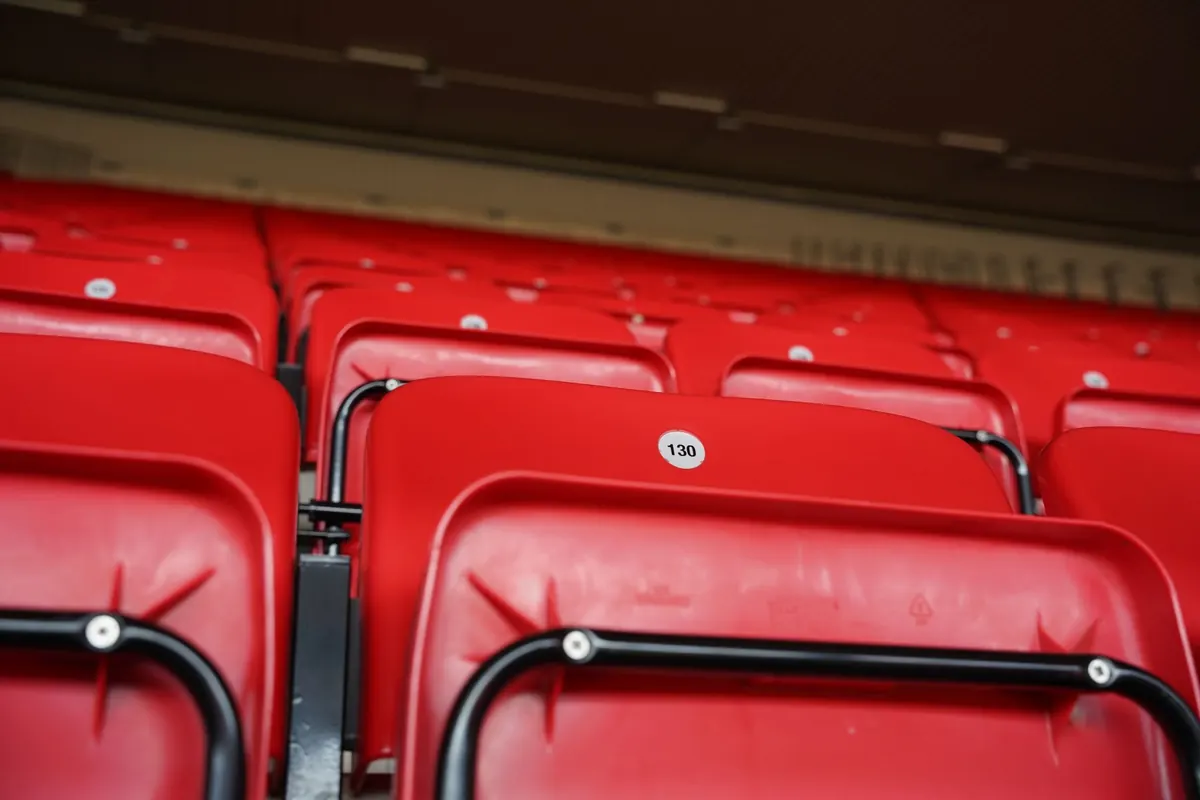
Practical consequences are easy to use. If you are tall, or you are taking children who may need to lean, a higher row in a shallow section is often worth more than a lower row with a slightly better address. The very front row of a tier has no heads directly in front, but check for railings, glass balustrades or camera positions that can sit exactly at eye level when you are seated. On the other side, the back row of a section may have nobody behind you, but the person in front still occupies the same geometry.
Rake: The Angle That Changes Everything
Rake is the angle of the seating deck itself. A shallow rake rises gently; a steep rake climbs sharply. Steep stands are efficient for sightlines because each row gains height quickly relative to the distance it moves back. That is why upper decks often feel surprisingly good: you are far from the pitch, but you are looking down into it rather than across a row of shoulders.
The trade-off is comfort and atmosphere. Steep sections can be tough on knees, less friendly for people who dislike heights, and slower to empty. Shallow sections keep spectators closer to the field and can feel more connected to the lower action, but the first rows may offer a flatter view. When you compare two seats, ask not only “how far back?” but “how high, and in what kind of stand?” A row 20 seat in a steep tier is a different experience from row 20 in a gentle lower bowl.
Viewing Angles and Distance
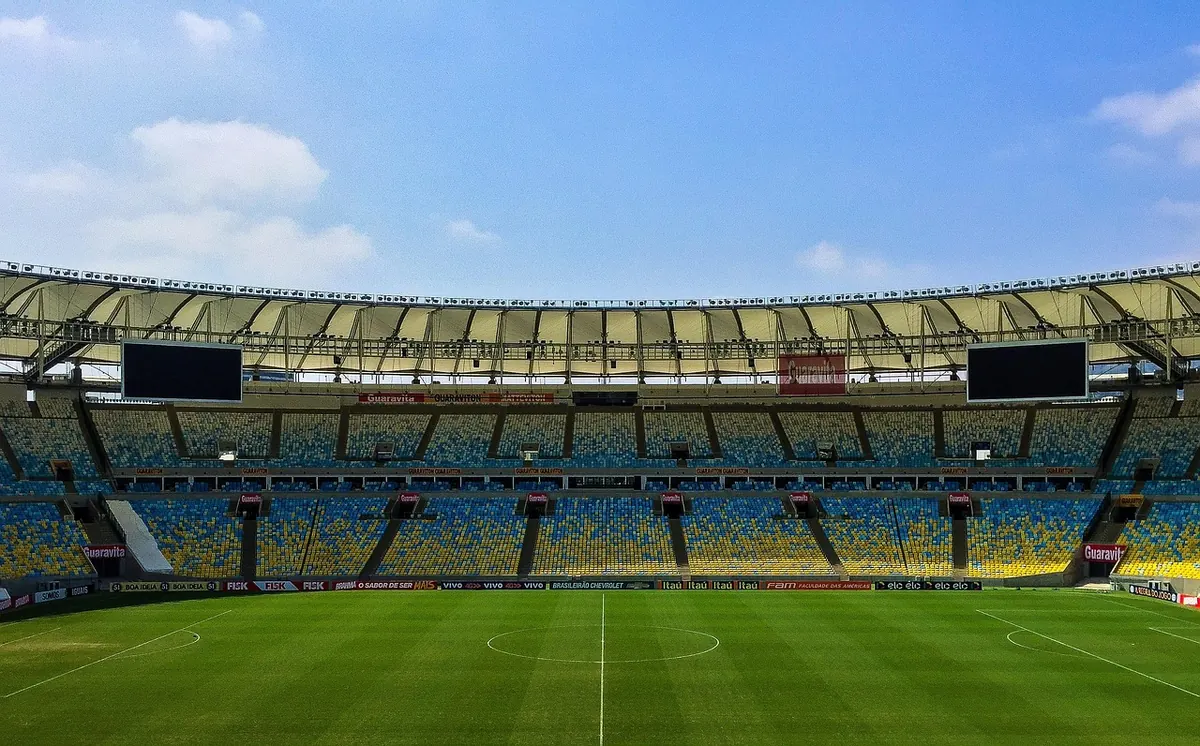
Horizontal angle decides what kind of game you can read. A seat on the sideline, roughly halfway up, gives a broad, side-on view: good for seeing team shape, runs off the ball and the space between lines. Behind a goal, you get a compressed view of the near end and a powerful sense of depth when play comes toward you, but the far end can be harder to judge. Corners sit between the two, often decent value and rarely the best in the house.
Different sports shift the balance. Basketball rewards closeness and a sideline angle because the court is small and the action is dense. Baseball is more about the angle from home plate: seats behind the infield show the whole field and the break of a pitch, while outfield seats give you flight and atmosphere but little infield detail. For football, a high sideline seat is the classic coaching view; a low corner seat is more about noise and proximity.
Distance and angle work together. Moving ten rows up can improve the angle and make the whole field legible, even though you are farther from the near touchline. Moving sideways can solve a blocked view and ruin your sense of depth. If you care about tactics, prioritise height and a central angle. If you care about atmosphere, prioritise proximity to the loudest stand. Neither is wrong; they are different products.
Reading a Seat Map Without Guesswork
Seat maps are plans, not elevations. They show section numbers and row letters but rarely show how sharply the stand rises. Use the clues you have. A section marked “lower tier” usually has a gentler rake than an “upper tier”. A row number near the back of a shallow stand may still be low relative to the pitch. A “restricted view” note can mean a pillar, railing, netting or simply the edge of a roof, and it is worth checking what kind of restriction it is.
Look for seat-view photos from the venue if they are available, and read them critically: a photo taken standing up will flatter the view compared with the same spot seated. Check whether the first row is at pitch level or behind a barrier. Check whether the section is behind a goal, on a curve or on a straight sideline. If you are buying for a group, remember that seats in the same row share the same sightline, while seats across an aisle can have different railings and angles.
- Prefer a higher row in a shallow lower stand if tall spectators or children are in your group.
- Treat the front row as excellent for atmosphere but check railings, glass and camera positions.
- For a tactical view, aim for a central sideline angle and enough height to see the far side.
- For atmosphere, accept a lower or corner seat and check what the angle hides.
- Read “restricted view” notes as a question, not a verdict: find out what is blocking the view and how much.
A Short Checklist Before You Book
Before you pay, sketch the geometry in your head. Where is the action you care about? Which way will you be looking? How many rows ahead of you, and how steeply does the stand rise? If the seat is low and central, you may get closeness but a flat view. If it is high and central, you may get clarity at the cost of intimacy. If it is low and in a corner, you may get both atmosphere and frustration.
Then check the practical obstructions: railings, glass, netting, roof supports, cameras and the people who will inevitably arrive late and squeeze past your knees. A seat that lets you see the whole field without twisting is usually worth more than a slightly closer seat that makes you work for it. Good sightlines are not a luxury; they are the difference between watching a game and guessing at it. Choose the geometry, and the atmosphere will follow.
Photo: Pavel Danilyuk / Pexels
You Might Also Like
Stadium seating safety is decided in the geometry — continuous handrails, honest aisle widths and evacuation routes that work long before the seats are chosen.
Sensors and connected ticketing turn stadium seats into sources of useful information about usage, queues and crowd movement — if the basics are right.